Ripple Booth
Image by zcopley
There was always a good crowd around the Ripple booth at Bitcoin 2013.
Certificate Authorities for HTTPS, PGP authentication and multi-signature cryptographic notarizing can now be done on top of Bitcoin, thanks to Signatura.
Also read: ViaBTC Mines First Bitcoin Unlimited 2MB Block, Allocates Full Hashpower
Digital Notary Service Now Open to the Public
Developed out of the Buenos Aires Bitcoin Center in Argentina, Signatura.co a digital notary and authentication service on top of Bitcoin, just ended its public beta and opened to the public.
“Signatura allows multiple parties to jointly sign documents, legally binding and notarizing them in such a way that no one can repudiate it’s date, content or signatures.”
Signatura allows users to sign and authenticate just about any document using the Bitcoin blockchain. It brings Bitcoin’s high security and decentralization to important institutions like notaries and internet certificate authorities.
It’s not hyperbole so say these institutions are vital to modern civilization. Notaries are a kind of semi-centralized set of databases in liberal democracies today. Importantly, they keep tabs on who owns what (or try to, anyway).
Without notaries, “property rights” — a key tenet in both free market-oriented societies and classical liberalism — would not be possible. For property rights to be respected, there must be some way of proving who owns what and making sure there is no fraud or double spending. This includes verifying a user’s identity in a viable legal manner, one of Signatura’s focuses.
How Users Can Trust Websites — In Theory
The internet shares a similar infrastructure, with its certificate authorities (CAs). These are organizations that streamline the credibility of other sites. Like a stamp of approval, organizations like Verisign put their name on the line to verify that your website’s HTTPS encrypted tunnel actually is routing to your server. That is their job, anyway.
Your browser, in turn, looks at these certificates and decides whether to show you a green lock or a red warning. This is essential to user experience.
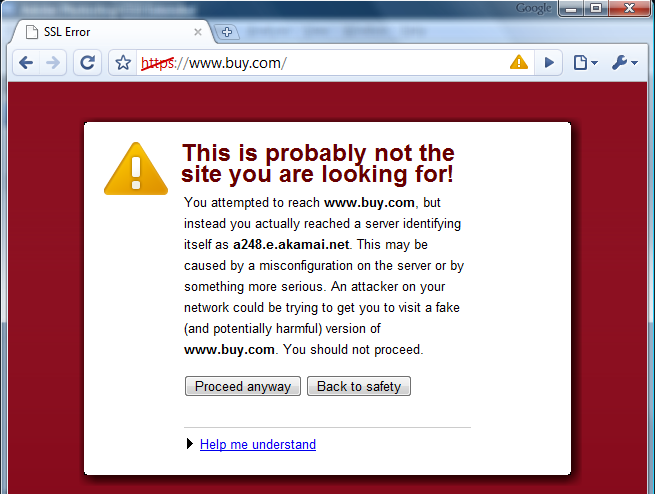
CAs attempt to do for secure communications what Bitcoin does for money. That is, provide a secure record of who owns what, so cheating becomes very difficult.
If a CA fails, man-in-the-middle attacks become possible. It’s likely websites with critical information flowing through them, like banks, would suffer from impersonators.

Some of these CAs are so big, centralized and vulnerable to government and corporate pressure that they even occasionally comply with man-in-the-middle attacks.
Bitcoin Blockchain Great for Managing Notary Services
Bitcoin’s decentralization, immutability, and massive hashrate make it an obvious…
Signatura Opens Authentication With Bitcoin to the Public

No comments:
Post a Comment